

The Science Behind R-DGA

Diagnostic software for insulating fluid test data. Push beyond conventional paradigms to a more correct interpretation.

Dissolved gas is not the problem

Under normal operation, transformers do not generate significant amounts of dissolved gas in oil. When they do, something is wrong. A condition has developed within the transformer generating heat, which is then damaging oil or paper insulation. The dissolved gases are symptoms of that underlying problem — not the problem itself. Conventional DGA treats these symptoms with simple concentration limits. Delta-X Research treats the root cause.

From detection to severity in three steps

1

Detect the Fault

Using simple gas concentrations and rates-of-change to detect faults has resulted in understating or, worse, missing problems. Delta-X Research's approach applies fault energy indices, accounts for gas loss, and uses statistical methods to provide a more reliable detection signal.

2

Identify the Fault Type

Once a fault is detected, understanding what type it is guides the maintenance response. Delta-X Research uses the 4-Simplex method — plotting five hydrocarbon gases — which provides more reliable fault type identification than the Duval pentagon, eliminating the ambiguity caused by projecting 5-dimensional data onto a 2-dimensional plot.

3

Assess Fault Severity

This is where Reliability-based DGA makes its most important contribution. R-DGA compares a transformer's fault energy index against a statistical model built from real transformer failure data, producing two risk measures: Cumulative Severity (CSEV) and Hazard Factor (HF).

Two outputs. Both actionable.

CSEV — Cumulative Severity

The percentage of gassing transformers in the failure dataset that would fail before this transformer at its current rate of gas production. A CSEV of 80% means 80% of the transformers in the comparison group would fail first.

HF — Hazard Factor

The probability that this transformer will fail within the next year if it continues producing gas at the current rate. A concrete, actionable number for risk management.

The most accurate interpretation of DGA available

IEEE and IEC standards acknowledge that DGA interpretation is — in their own words — ‘more of an art than a science.’ Delta-X Research has spent 30+ years working to change that. R-DGA provides maintenance teams with statistically grounded, failure-data-informed risk assessment. No more guesswork. No more unnecessary false alarms. Just the information you need to make confident decisions.

Peer-reviewed research

The science behind TOA is published in peer-reviewed journals and presented at leading industry conferences including CIGRE, IEEE, and NETA. Dr. Jim Dukarm has been advancing DGA methodology since 1988.

Explore White Papers

See R-DGA in practice

Book a Demo

Related Insights

company historyDelta-X Research

Delta-X Research: Over Three Decades of DGA Innovation

Founded in Victoria, BC in 1992, Delta-X Research has spent more than 30 years advancing the science and practice of dissolved gas analysis for transformer asset management. This article traces the development of R-DGA methodology, the TOA software platform, Monitor Watch, and the role of peer-reviewed research in grounding a commercial analytical tool in validated science.
Read more
conferenceindustry event

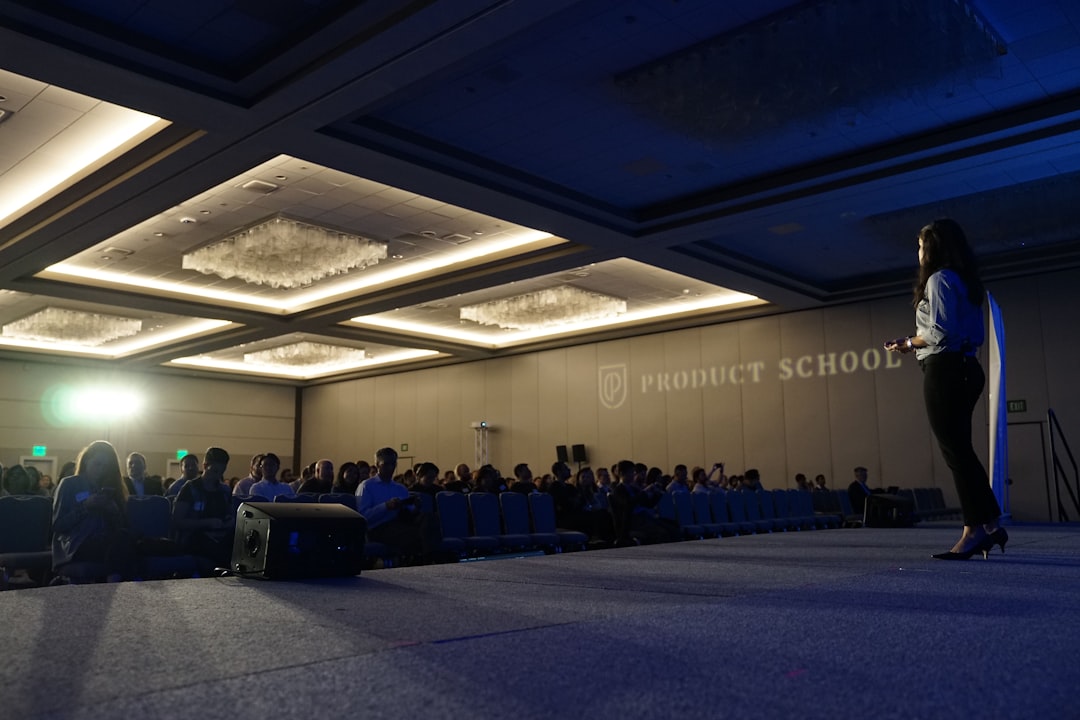
Kayla Whitesel Presents at Energy Technology Live 2026

Delta-X Research's Kayla Whitesel presented at Energy Technology Live / the Distributed Energy Show in the UK, explaining why Reliability-based DGA provides a more scientifically rigorous foundation for transformer maintenance decisions than conventional interpretation methods.

Read more
Rogers RatiosIEC 60599

Rogers Ratios, IEC Ratios, and R-DGA: A Practical Comparison

Three major analytical approaches dominate transformer DGA interpretation: Rogers Ratios, IEC 60599 key gas ratios, and Reliability-based DGA. This article explains the design purpose, theoretical basis, and known limitations of each method, and how they work together in a comprehensive diagnostic framework.

Read more
1 / 7