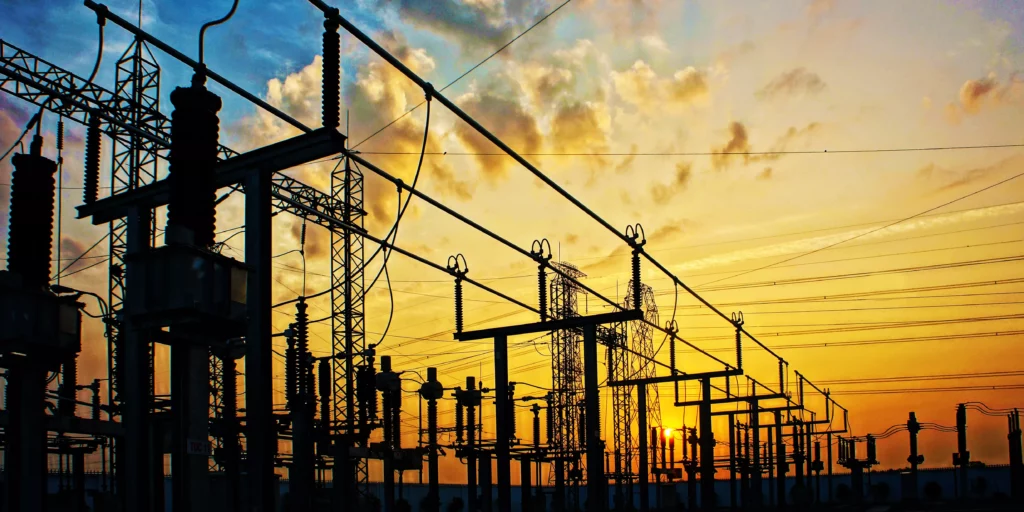
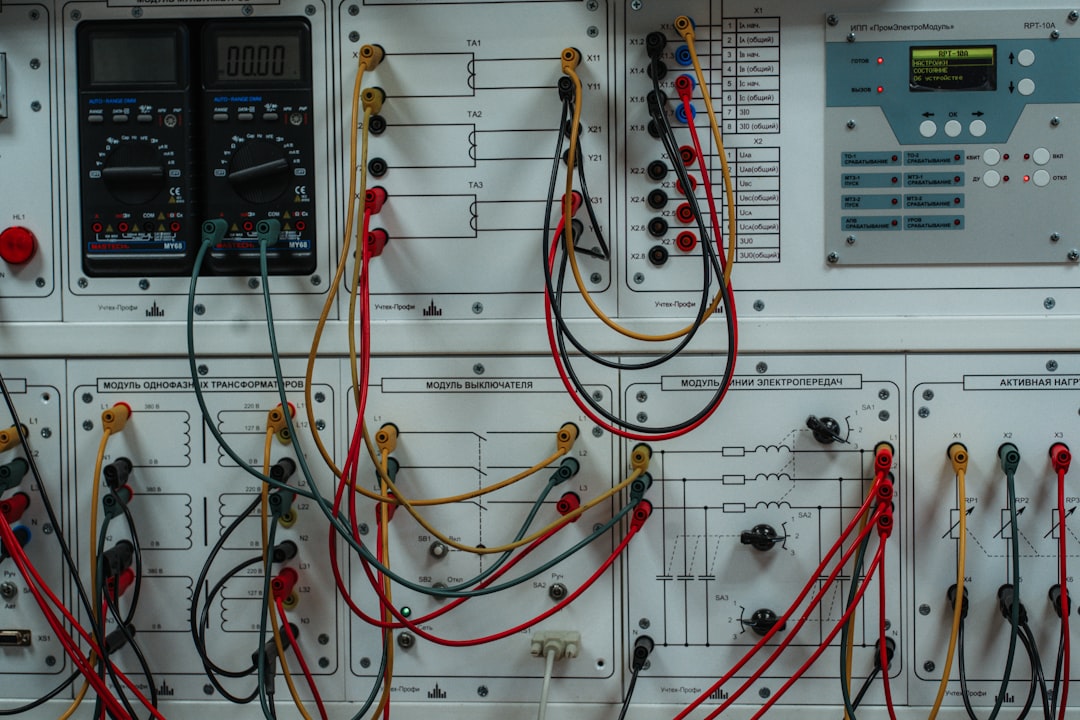
PowerTest, the annual conference of the InterNational Electrical Testing Association (NETA), is one of the most technically dense events on the power industry calendar. Delta-X Research's Sales Director Kayla Whitesel attended PowerTest 2026, connecting with testing engineers, maintenance contractors, and utility asset managers from across the electrical power sector.
NETA and the Electrical Testing Community
NETA [1] is the professional organisation for electrical testing specialists: the engineers and technicians who perform acceptance, maintenance, and diagnostic testing on power system equipment ranging from switchgear and cable systems through to power transformers and rotating machines. NETA's standards, particularly the ANSI/NETA MTS maintenance testing specifications [1], form the baseline for condition-based maintenance programmes across the North American utility and industrial sectors.
PowerTest draws several thousand attendees from utilities, electrical testing contractors, equipment manufacturers, and engineering consulting firms. The technical programme covers power quality, protective relaying, insulation diagnostics, and transformer condition assessment, areas that intersect directly with dissolved gas analysis and the kind of fleet-level maintenance decision support that TOA provides.
DGA Within the Broader Testing Picture
For the electrical testing community, dissolved gas analysis occupies a specific position within a multi-method transformer assessment framework. IEEE C57.152-2013 [2], the IEEE guide for diagnostic field testing of fluid-filled power transformers, outlines the full range of condition assessment methods, including insulation resistance, power factor, excitation current, leakage reactance, frequency response analysis, and DGA, and notes that no single method provides a complete picture.
DGA's particular value is as a continuous indicator: because insulating oil accumulates dissolved gases from ongoing thermal and electrical stress, periodic DGA sampling provides a time-series view of transformer condition that other methods, which are typically point-in-time measurements, cannot replicate. IEEE C57.104-2019 [3] provides the primary standard framework for interpreting this data, though its threshold-based approach has well-documented limitations when applied across diverse fleet populations [4].
Reliability-based DGA addresses these limitations by replacing fixed thresholds with population-normalised severity metrics, CSEV and HF, that account for a transformer's full gas history, not just its most recent sample [4]. For testing contractors and asset managers who use DGA as one element of a broader condition assessment programme, R-DGA provides the fleet-level prioritisation layer that conventional threshold methods cannot reliably supply.
Connections at PowerTest 2026
A significant portion of the PowerTest audience consists of engineering professionals who work across multiple customer accounts, specifically testing contractors rather than in-house utility engineers. This creates a distinctive dynamic: the testing community brings a breadth of field experience across many transformer types, ages, and operating environments that is rare in the utility sector, where engineers typically work with a defined fleet.
Conversations with this audience tend to centre on practical integration questions: how does DGA data from laboratory analysis connect with field test results and visual inspection records? How should a testing contractor present DGA findings to a utility client in a way that supports actionable maintenance decisions? How does the interpretation process change for unusual transformer types, such as shell-form designs, auto-transformers, and units with load tap changers, where the standard gas concentration limits in IEEE C57.104-2019 [3] and IEC 60599:2022 [5] may not apply directly?
These are questions that TOA is designed to address. The platform supports the full range of insulating fluid test parameters, not only DGA but also moisture, acidity, dielectric strength, and furanic compound analysis, within a single database that can be queried across an entire managed fleet. For testing contractors who maintain TOA databases on behalf of multiple utility clients, this provides a consistent analytical framework that can be applied across accounts without requiring client-specific configuration.
A Note on Culture
PowerTest has a distinctive conference culture within the power industry. It draws a community that takes field practice seriously and that values technical credibility above marketing polish. Kayla noted that the event's atmosphere, and its music, made it one of the more enjoyable conferences of the year.
Delta-X Research values engagement with the testing community specifically because it provides a ground-level perspective on how transformer condition data is gathered, reported, and acted upon in the field. The feedback that comes from testing contractors, who see the full cycle from sample collection through to maintenance decisions, is directly useful for ensuring that TOA's outputs connect meaningfully with real operational practice.
Following Up
If you attended PowerTest 2026 and would like to discuss how TOA supports transformer condition monitoring programmes, Kayla Whitesel is available to connect via LinkedIn.
For technical background on R-DGA methodology and how it complements the broader suite of transformer diagnostic methods described in IEEE C57.152-2013 [2], visit the Learn page and Science page.
References & Further Reading
- [1]NETA (InterNational Electrical Testing Association), “ANSI/NETA MTS-2019: Standard for Maintenance Testing Specifications for Electrical Power Equipment and Systems” InterNational Electrical Testing Association, 2019.
- [2]IEEE C57.152-2013, “IEEE Guide for Diagnostic Field Testing of Fluid-Filled Power Transformers, Regulators, and Reactors” IEEE, 2013.
- [3]IEEE C57.104-2019, “IEEE Guide for the Interpretation of Gases Generated in Mineral Oil-Immersed Transformers” IEEE, 2019.
- [4]Dukarm, J.J., Draper, D., Arakelian, V.K., “Improving the Reliability of Dissolved Gas Analysis” IEEE Electrical Insulation Magazine, 2012.
- [5]IEC 60599:2022, “Mineral oil-filled electrical equipment in service: Guidance on the interpretation of dissolved and free gases analysis” IEC, 2022.

Related Articles
Delta-X Research at the IEEE Rural Electric Power Conference 2026
Sean Casey is representing Delta-X Research at the IEEE Rural Electric Power Conference, connecting with rural and municipal utility engineers on how Reliability-based DGA helps smaller utility operations manage transformer health analytics, identify early fault indicators, and prioritise fleet maintenance with limited internal resources.