
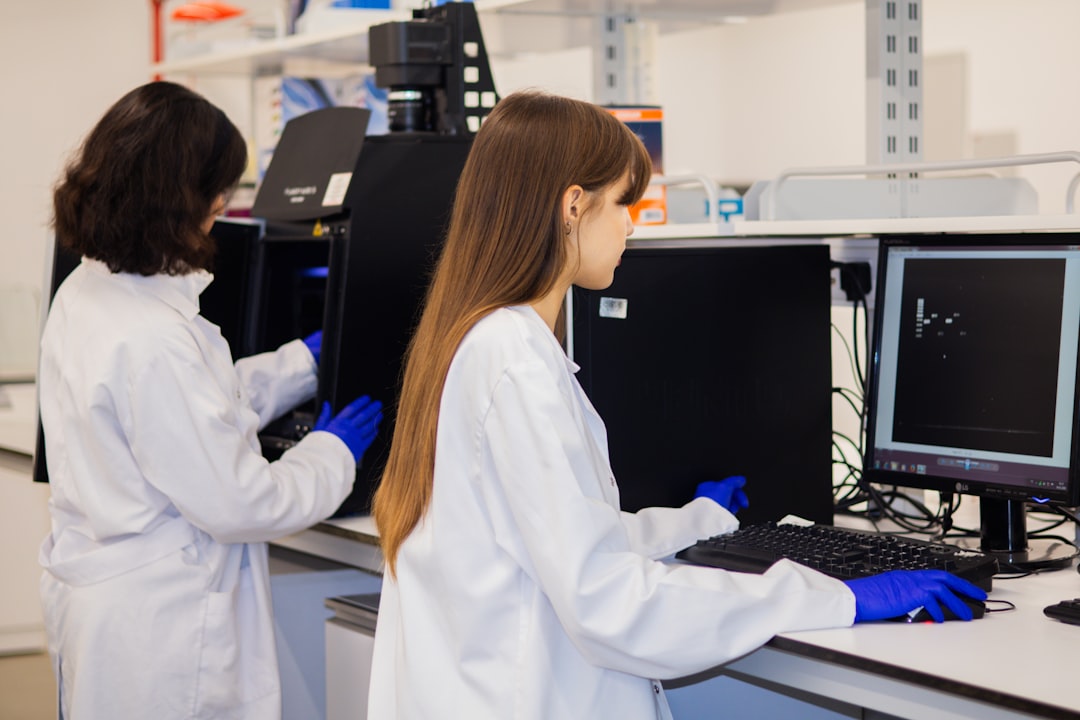
DGA is only as reliable as the data on which it is based. The analytical methods applied to DGA results, whether simple threshold comparison or population-based severity assessment, operate on numbers generated by a chain of physical processes: oil sampling in the field, transport to the laboratory, extraction of dissolved gases, chromatographic separation and detection, and reporting. Each step in this chain introduces potential for error.
Understanding where data quality degradation occurs and what practices prevent it is a foundational part of building a DGA programme whose results can be trusted.
Measurement Uncertainty in DGA: The Quantitative Picture
Before examining specific error sources, it is worth establishing the baseline measurement uncertainty inherent in DGA even when performed correctly. Dukarm [1] analysed replicate DGA measurements from accredited laboratories and found typical coefficients of variation (CVs) in the range of 10–20% for most dissolved gases under standard conditions. For gases present at low concentrations, near laboratory reporting limits, CVs can be substantially higher.
A 15% CV on a hydrogen measurement of 100 ppm means the 95% confidence interval spans approximately 70–130 ppm. This level of variability is sufficient to shift a result from Condition 1 to Condition 2 in IEEE C57.104-2019 [2], a boundary that sits at 100 ppm, purely from measurement uncertainty, without any change in actual transformer condition.
This has two implications. First, it explains why some apparent "trend changes" in DGA records are artefacts of measurement variability rather than genuine condition changes. Second, it reinforces the value of history-integrating analytical methods (like CSEV in R-DGA) that smooth out single-point variability by accumulating data over many samples, compared to threshold methods that evaluate each sample in isolation.
Sampling: The First Point of Data Quality Control
Air Contamination
Introducing air into the oil sample is the most common and consequential sampling error. Air contains oxygen and nitrogen at known atmospheric concentrations; their presence in reported results is used as a diagnostic indicator of air ingress in the transformer itself, so artificially elevated O₂ and N₂ from sampling contamination produces false evidence of internal air ingress.
More problematically, air contamination can affect other gases through dilution effects and, in some analytical methods, through interference with the detection process. The result is a sample that misrepresents the transformer's actual dissolved gas concentrations.
Prevention: Use degassed sample containers (syringes or glass bottles pre-evacuated or sealed under vacuum). Purge sampling connections with a minimum oil volume (typically 2–3 volumes of the sampling line) before collecting the analysis sample. Minimise time between sampling valve opening and collection. IEC 60567:2011 [3] provides detailed sampling procedure guidance.
Degassing During Transfer
Dissolved gases in transformer oil are in solution under the oil's static head pressure and operating temperature. If oil is exposed to reduced pressure, through rapid transfer between containers, exposure to a vacuum source, or allowing oil to drop freely into the collection vessel, dissolved gases come out of solution and are lost from the sample. This artificially depresses reported gas concentrations.
Prevention: Collect samples by displacing oil under its own static pressure, using the positive pressure at the sampling valve to fill the collection vessel without introducing vacuum. Minimise the number of transfers between sampling and laboratory.
Inconsistent Sampling Location
Oil sampling valves are frequently located in positions where oil circulation is limited. If the sampling line is not adequately purged before collection, the sample may represent stagnant oil in the valve rather than the representative bulk oil from the transformer tank. Stagnant oil may show different dissolved gas concentrations from the bulk oil, either depleted (if the stagnant oil has been isolated from ongoing fault gas generation) or anomalous.
Standard practice per IEEE C57.104 [2] and IEC 60567 [3] calls for purging a specified minimum volume of oil through the sampling connection before collecting the analysis sample.
Temperature Effects on Dissolved Gas Content
The solubility of dissolved gases in transformer oil varies with temperature. Oil sampled at significantly different temperatures from previous samples will show apparent concentration differences that are purely physical in origin. This is a particular concern for transformers sampled under variable ambient conditions.
While temperature-correction procedures exist, consistent sampling conditions, sampling at the same time of day and under similar load conditions where possible, provide a more reliable baseline than correction factors applied to inconsistently collected samples.
Laboratory Variability
Interlaboratory Differences
Interlaboratory studies consistently demonstrate that the same oil sample can produce different gas concentration results from different laboratories. Dukarm [1] documented this variability systematically; the ASTM D3612 [4] standard itself acknowledges interlaboratory reproducibility as a recognised limitation of the method.
For utilities that use multiple laboratories, for geographic coverage, cost management, or as a result of contractor changes, this creates a data quality challenge that is easy to overlook. A trend analysis that appears to show a significant gas increase may partly or entirely reflect the analytical differences between laboratories rather than a genuine change in transformer condition. TOA maintains laboratory source information alongside sample data, allowing this factor to be identified when reviewing trends.
Extraction Method
ASTM D3612 [4] defines three extraction methods: vacuum extraction (Method A), direct injection headspace (Method B), and Toepler pump extraction. The methods produce different quantitative results for some gases; Method A typically achieves more complete extraction. Comparing results from the same transformer analysed by different extraction methods across different laboratories introduces systematic bias.
Standardising the laboratory and extraction method for each transformer's DGA record, or explicitly accounting for method changes in trend interpretation, is important for maintaining data quality in long-running programmes.
Reporting Limits and Trace-Level Gas Handling
The handling of gas concentrations below the laboratory reporting limit affects how low-level data is used in trend analysis. Some laboratories report below-limit values as zero; others as the actual detected signal even below the formal limit; others as half the reporting limit. These conventions produce different apparent results for the same physical sample, and different programmes for the treatment of trace-level data in trend analysis.
Consistent treatment, specifying to the laboratory how below-limit values should be reported and handling them consistently in the analytical platform, prevents artefactual trend signals from inconsistent reporting.
Building a Data Quality Foundation
The practices that maintain DGA data quality throughout the chain from sampling to analysis:
- Documented field sampling procedures that specify purge volumes, collection technique, container type, and chain of custody requirements
- Consistent laboratory relationship using the same laboratory and extraction method for each transformer's continuing record, with explicit documentation of any changes
- Laboratory quality control verification: accredited laboratories run internal quality controls on each analytical batch; asking for QC data alongside results is reasonable for critical assets
- Data management that preserves provenance: recording sampler, laboratory, method, and sampling conditions alongside gas concentrations enables informed interpretation of apparent anomalies
- Anomaly investigation before maintenance action: a sudden unexplained gas concentration jump should prompt investigation of possible sampling or laboratory error before triggering a maintenance response
Transformer Oil Analyst™ (TOA) supports data quality management by maintaining the full sample record including laboratory source and sampling notes alongside analytical results, enabling trend review that accounts for data provenance.
For resources on DGA sampling best practices, visit the Learn page. For product information, visit the TOA page or contact us.
References & Further Reading
- [1]Dukarm, J.J., “Estimation of Measurement Uncertainty in the Analysis of Transformer Insulating Oil” International Journal of Metrology and Quality Engineering, 2014.
- [2]IEEE C57.104-2019, “IEEE Guide for the Interpretation of Gases Generated in Mineral Oil-Immersed Transformers” IEEE, 2019.
- [3]IEC 60567:2011, “Oil-filled electrical equipment: Sampling of gases and analysis of free and dissolved gases - Guidance” IEC, 2011.
- [4]ASTM D3612, “Standard Test Method for Analysis of Gases Dissolved in Electrical Insulating Oil by Gas Chromatography” ASTM International, 2017.
- [5]IEC 60599:2022, “Mineral oil-filled electrical equipment in service: Guidance on the interpretation of dissolved and free gases analysis” IEC, 2022.

Delta-X Research develops Transformer Oil Analyst™ (TOA), the market-leading tool for managing and interpreting insulating fluid test data for high-voltage apparatus. Founded in 1992 and based in Victoria, BC, Canada, the team applies Reliability-based DGA methodology to help utilities worldwide assess transformer health and prioritise fleet maintenance decisions.
Related Articles
Rogers Ratios, IEC Ratios, and R-DGA: A Practical Comparison
Three major analytical approaches dominate transformer DGA interpretation: Rogers Ratios, IEC 60599 key gas ratios, and Reliability-based DGA. This article explains the design purpose, theoretical basis, and known limitations of each method, and how they work together in a comprehensive diagnostic framework.