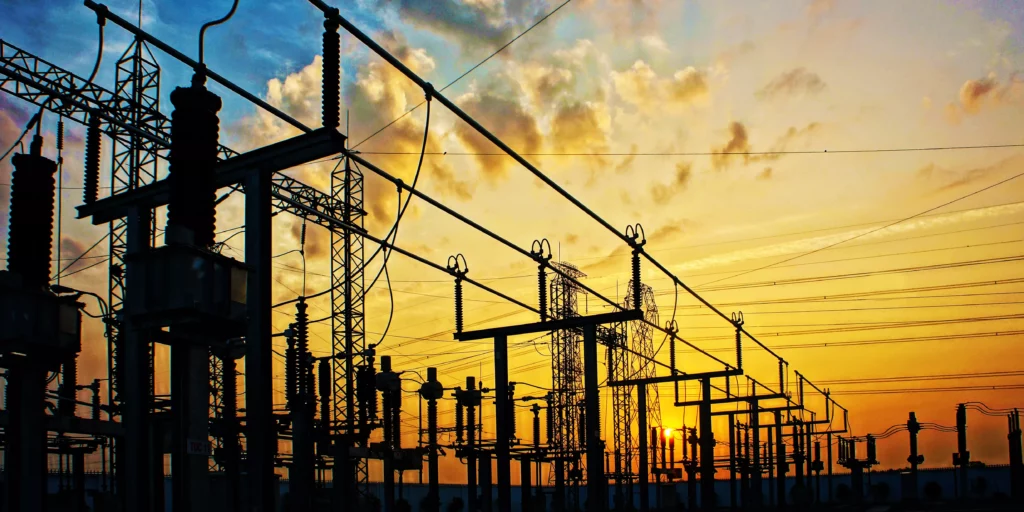

The NRECA TechAdvantage conference [1] is the annual technology forum for electric cooperative utilities, the organisations that collectively serve more than 42 million people across 47 US states, managing millions of miles of distribution line and thousands of transmission and distribution transformers. Delta-X Research attended TechAdvantage 2024 in San Antonio, Texas, and offered cooperative utility conference attendees a complimentary Reliability-based DGA fleet assessment using Transformer Oil Analyst™ (TOA).
The offer was designed around a practical reality: most cooperative utilities have years of accumulated DGA data that has never been analysed by a method capable of generating fleet-level risk rankings.
What a Complimentary R-DGA Assessment Reveals
The dominant DGA interpretation practice at cooperative utilities, as at most utilities, is based on concentration thresholds. A gas concentration is compared against the limits specified in IEEE C57.104-2019 [2] and flagged if it exceeds the applicable condition boundary. This produces a list of transformers with elevated results, but it does not produce a ranked risk view of the entire fleet.
The limitations of threshold-based interpretation are well documented. Dukarm et al. [3] demonstrated that conventional DGA indicators frequently overstate fault probability when applied without population-level context, generating false alarms for transformers that are operating within normal parameters for their age and service history. Simultaneously, the same threshold approach can miss genuine deterioration in transformers whose gas concentrations remain below published limits even as their rate of change and cumulative fault energy history indicate progressive deterioration.
The complimentary assessment applies TOA's Reliability-based DGA methodology to existing utility sample data, computing two metrics for each transformer in the fleet:
CSEV (Cumulative Severity) integrates the total fault energy indicated by the transformer's full dissolved gas history into a single normalised score calibrated against a validated reference population of transformer histories [3]. Rather than evaluating one sample at a time, CSEV asks: how unusual is this transformer's entire gas record relative to all transformers in the population database? This makes CSEV sensitive to gradual, progressive deterioration that never crosses any single-sample threshold.
HF (Hazard Factor) maps the CSEV value onto the empirical relationship between condition severity and observed failure probability in the population data [3]. It provides the link between condition measurement and the operational question: how urgent is attention to this unit relative to others in the fleet?
The output is a ranked list of every transformer in the dataset, ordered by HF, with CSEV trends visible for each unit. For a cooperative engineering team that previously managed DGA through a spreadsheet of gas concentrations and threshold flags, this fleet view represents a qualitative change in analytical capability.
What the Data Consistently Shows
When R-DGA analysis is applied to utility DGA datasets for the first time, the results consistently reveal two types of finding that conventional methods missed.
The first is false positives: transformers that conventional threshold methods have been flagging for follow-up attention whose full history, when evaluated under R-DGA, shows CSEV values well within the normal population range. The elevated concentrations that triggered the threshold flag reflected the transformer's normal gas profile given its age, design, and service conditions, not an abnormal fault process. Eliminating these false alarms reduces unnecessary maintenance activity and allows engineering resources to be directed toward units that genuinely warrant attention.
The second finding type is the inverse: transformers that have never triggered a threshold flag but whose CSEV trend, when their full history is integrated, shows progressive accumulation of fault severity at a rate that places them at elevated population-relative risk. These are the units where early intervention is most valuable, where the window between detection and failure is still wide enough for planned maintenance rather than reactive response.
This is precisely the pattern described in the published R-DGA literature [3] and the core reason why population-based severity assessment provides information that single-sample threshold methods structurally cannot.
The Cooperative Utility Context
The value of systematic fleet risk ranking is highest for organisations that manage large transformer populations with constrained internal engineering resources, which describes the cooperative utility sector accurately. A co-op with 200 transmission and distribution transformers and a two-person engineering team cannot apply detailed diagnostic scrutiny to every unit. A CSEV/HF ranked fleet view gives that team a defensible basis for deciding which units to inspect, which to monitor more closely, and which can remain on standard sampling intervals.
Jim Dukarm's early published work on the statistical interpretation of transformer oil analysis reports [4] was developed with exactly this kind of operational context in mind, making the information content of existing DGA data actionable for engineers working within real resource constraints.
The Assessment Offer
For utilities that did not attend TechAdvantage 2024 or want a fuller assessment of their fleet, the complimentary R-DGA assessment remains available. Delta-X Research has been applying R-DGA methodology to utility fleets since the 1990s; 15 of the top 20 US utilities use TOA. The methodology has been validated across a wide range of transformer types, ages, and operating environments, including the distribution transformer fleets that make up the core of most cooperative utilities' asset base.
To request an assessment, provide your historical DGA data and we will return a TOA-generated fleet risk analysis showing CSEV and HF values for your transformer population. The analysis typically surfaces actionable findings immediately.
Contact us to request your complimentary assessment, visit the TOA page for product details, or read the technical basis of R-DGA on the Science page.
References & Further Reading
- [1]NRECA, “TechAdvantage Conference: Cooperative Technology Forum” National Rural Electric Cooperative Association, 2024.
- [2]IEEE C57.104-2019, “IEEE Guide for the Interpretation of Gases Generated in Mineral Oil-Immersed Transformers” IEEE, 2019.
- [3]Dukarm, J.J., Draper, D., Arakelian, V.K., “Improving the Reliability of Dissolved Gas Analysis” IEEE Electrical Insulation Magazine, 2012.
- [4]Dukarm, J.J., “Transformer Oil Analysis Report Interpretation by Statistical Analysis” Minutes of the 60th Annual International Conference of Doble Clients, 1993.
- [5]IEC 60599:2022, “Mineral oil-filled electrical equipment in service: Guidance on the interpretation of dissolved and free gases analysis” IEC, 2022.

Delta-X Research develops Transformer Oil Analyst™ (TOA), the market-leading tool for managing and interpreting insulating fluid test data for high-voltage apparatus. Founded in 1992 and based in Victoria, BC, Canada, the team applies Reliability-based DGA methodology to help utilities worldwide assess transformer health and prioritise fleet maintenance decisions.
Related Articles
Delta-X Research at the IEEE Rural Electric Power Conference 2026
Sean Casey is representing Delta-X Research at the IEEE Rural Electric Power Conference, connecting with rural and municipal utility engineers on how Reliability-based DGA helps smaller utility operations manage transformer health analytics, identify early fault indicators, and prioritise fleet maintenance with limited internal resources.