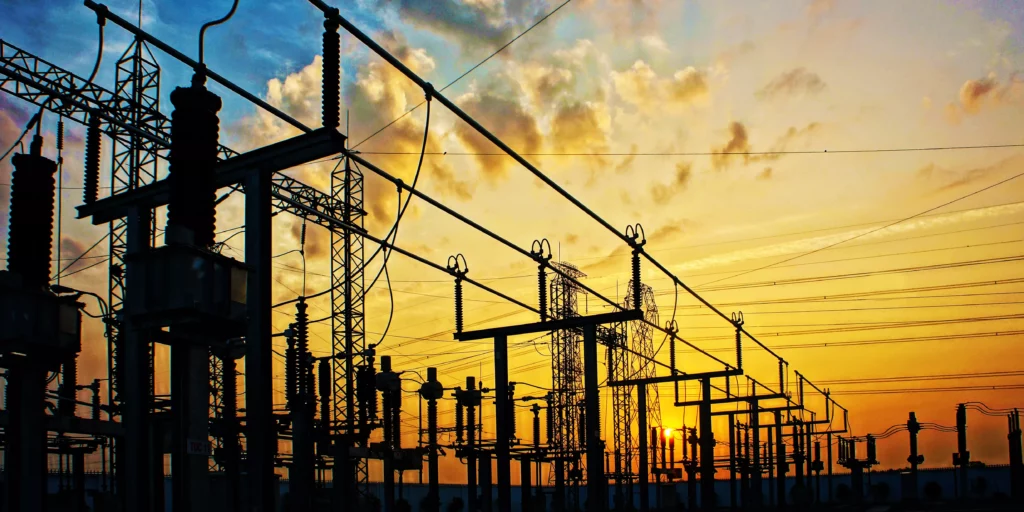
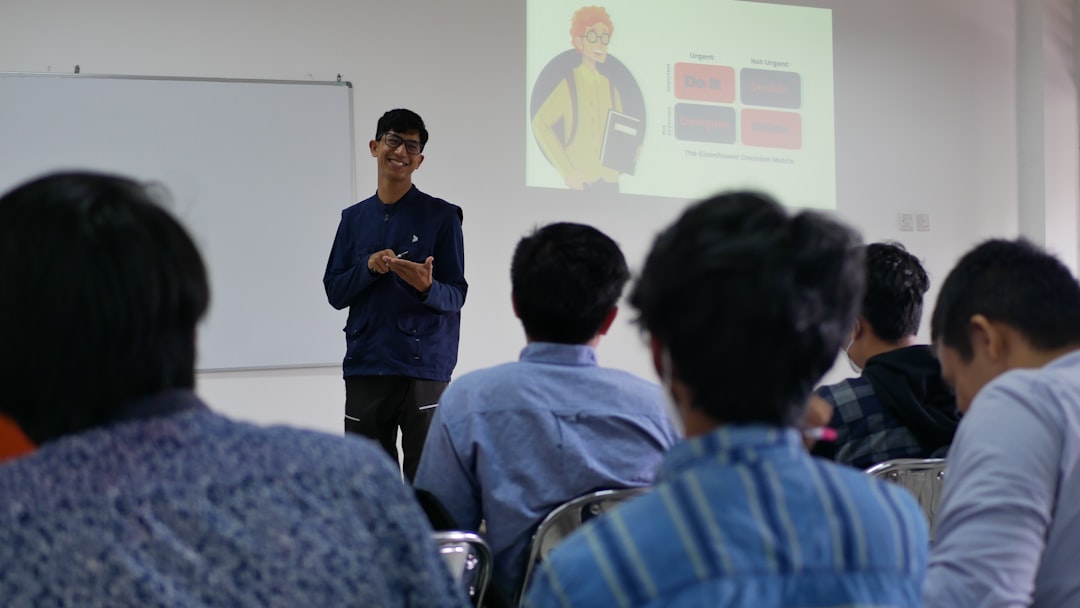
The IEEE Power and Energy Society's Transformers Committee holds two meetings annually, a spring meeting and an autumn meeting, and both are among the most substantive technical forums in the transformer industry. The committee is responsible for the suite of IEEE C57 standards that governs transformer design, testing, maintenance, and condition assessment, including the standards that define DGA interpretation practice for utilities across North America.
Delta-X Research was a Break Sponsor at the Spring 2024 meeting. The sponsorship reflects a long-standing commitment to the technical community that produces and uses these standards, and to the working group process through which they are developed and revised.
The IEEE C57 Committee and Its Standards
The Transformers Committee works through a system of working groups, each responsible for a specific standard or technical subject area. The standards directly relevant to DGA and transformer condition monitoring include:
IEEE C57.104-2019 [1] is the primary reference for DGA interpretation in North American utility practice. C57.104 specifies concentration limits for dissolved gases including hydrogen (H₂), methane (CH₄), ethane (C₂H₆), ethylene (C₂H₄), acetylene (C₂H₂), carbon monoxide (CO), and carbon dioxide (CO₂). The standard provides Condition 1–4 classifications corresponding to increasing concern levels, guidance on fault type classification using gas ratios, and recommendations on sampling frequency and follow-up actions. The 2019 edition was a significant revision that incorporated updated fault diagnosis guidance and expanded coverage of DGA uncertainty considerations.
IEEE C57.106-2015 [2] is the guide for acceptance and maintenance of insulating mineral oil, covering physical and chemical test parameters that complement DGA in the overall oil condition assessment picture.
IEEE C57.152-2013 [3] is the guide for diagnostic field testing of fluid-filled power transformers, which contextualises DGA within the broader suite of diagnostic methods, including partial discharge measurement, frequency response analysis, power factor testing, and thermographic inspection, used together to assess transformer condition.
Each standard evolves through working group meetings where specialists from utilities, manufacturers, independent testing laboratories, and research organisations review proposed revisions, debate technical positions, and build the consensus that eventually becomes published guidance. The biannual conference schedule allows these working groups to meet in person, review comment responses, and advance balloting processes on active revision cycles.
Why Standards Engagement Matters for DGA Methodology
IEEE C57.104 [1] is not a static document. Its concentration limits, fault classification guidance, and sampling recommendations are the product of accumulated industry data and expert consensus, but that consensus continues to evolve as new research is published and field experience accumulates. Understanding why standards guidance says what it says, and the debates that shaped it, is essential for applying it intelligently.
Standards represent carefully calibrated consensus positions, not universal truths. The concentration limits in C57.104 [1] were derived from population data and are intended to identify results that warrant attention. They are not designed to account for individual transformer history, fault progression trajectory, or the natural statistical variation in gas data that Dukarm [4] has shown can be substantial. A transformer with hydrogen at 150 ppm, just below the C57.104 Level 2 threshold, may be more or less concerning than one at 250 ppm, depending on how each arrived at its current state.
This is why Transformer Oil Analyst™ (TOA) applies Reliability-based DGA methodology alongside the C57.104 framework, rather than as a replacement for it. R-DGA's CSEV and HF metrics [5] add a quantitative severity dimension that the standards framework does not include, while remaining grounded in the same dissolved gas science that the standards are built on. A utility using TOA can review C57.104 condition classifications alongside R-DGA severity metrics, using each for what it is best suited to: C57.104 for baseline fault type assessment and regulatory reference, R-DGA for fleet prioritisation and risk ranking.
The International Standards Context
The IEEE C57.104 standard coexists with IEC 60599:2022 [6], which is the primary DGA interpretation reference for European and international utilities. The two standards use different threshold values and somewhat different fault classification frameworks, reflecting different populations and different consensus processes.
Jim Dukarm's involvement in CIGRE Study Committee A2, the international technical body for power transformers, ensures that R-DGA methodology is developed with awareness of both the IEEE and IEC frameworks and the international research community's evolving understanding of transformer failure mechanisms. CIGRE Technical Brochures produced by Study Committee A2 working groups are regularly cited in both IEEE and IEC standards revision processes, and the crossflow of ideas between these bodies is part of how DGA science advances.
Measurement Uncertainty and the Limits of Threshold Interpretation
One area where the Transformers Committee's technical discussions have become increasingly sophisticated is measurement uncertainty in DGA. Dukarm [4] demonstrated that the analytical uncertainty of laboratory DGA measurement, the coefficient of variation of replicate measurements, is typically substantial enough to shift individual gas concentrations across C57.104 condition boundaries. A transformer that tests at the 200 ppm hydrogen threshold one quarter may test at 160 ppm or 240 ppm in the next quarter, not because its condition changed but because of normal measurement variability.
This is one of the strongest arguments for the trajectory-integrating approach used in R-DGA. CSEV accumulates fault energy over the transformer's full sample history, smoothing out single-point measurement noise and providing a more stable and reliable indication of genuine condition change [5]. The working group discussions at IEEE Transformers Committee meetings are where these kinds of technical considerations get worked through, and where the people who understand them most deeply come together.
Supporting the Technical Community
Sponsoring the IEEE Transformers Committee Spring 2024 meeting is an expression of Delta-X Research's commitment to the standards community. The engineers who attend these working group sessions, from utilities, independent power producers, consulting firms, equipment manufacturers, and testing laboratories, are the same professionals the company's software is designed to serve.
Good standards produce better utility practice. Better utility practice means more transformers are maintained on appropriate schedules, fewer fail unexpectedly, and the grid is more reliable. The work done in these committee meetings has real consequences for infrastructure reliability.
To explore the technical foundations of R-DGA methodology and how it complements the IEEE standards framework, visit the Science page. For downloadable resources on DGA interpretation, visit the Learn page. To discuss your organisation's DGA programme, contact us.
References & Further Reading
- [1]IEEE C57.104-2019, “IEEE Guide for the Interpretation of Gases Generated in Mineral Oil-Immersed Transformers” IEEE, 2019.
- [2]IEEE C57.106-2015, “IEEE Guide for Acceptance and Maintenance of Insulating Mineral Oil in Electrical Equipment” IEEE, 2015.
- [3]IEEE C57.152-2013, “IEEE Guide for Diagnostic Field Testing of Fluid-Filled Power Transformers, Regulators, and Reactors” IEEE, 2013.
- [4]Dukarm, J.J., “Estimation of Measurement Uncertainty in the Analysis of Transformer Insulating Oil” International Journal of Metrology and Quality Engineering, 2014.
- [5]Dukarm, J.J., Draper, D., Arakelian, V.K., “Improving the Reliability of Dissolved Gas Analysis” IEEE Electrical Insulation Magazine, 2012.
- [6]IEC 60599:2022, “Mineral oil-filled electrical equipment in service: Guidance on the interpretation of dissolved and free gases analysis” IEC, 2022.

Delta-X Research develops Transformer Oil Analyst™ (TOA), the market-leading tool for managing and interpreting insulating fluid test data for high-voltage apparatus. Founded in 1992 and based in Victoria, BC, Canada, the team applies Reliability-based DGA methodology to help utilities worldwide assess transformer health and prioritise fleet maintenance decisions.
Related Articles
Delta-X Research at the IEEE Rural Electric Power Conference 2026
Sean Casey is representing Delta-X Research at the IEEE Rural Electric Power Conference, connecting with rural and municipal utility engineers on how Reliability-based DGA helps smaller utility operations manage transformer health analytics, identify early fault indicators, and prioritise fleet maintenance with limited internal resources.